Exploring Truth: Duane Michals and the Things We Cannot See
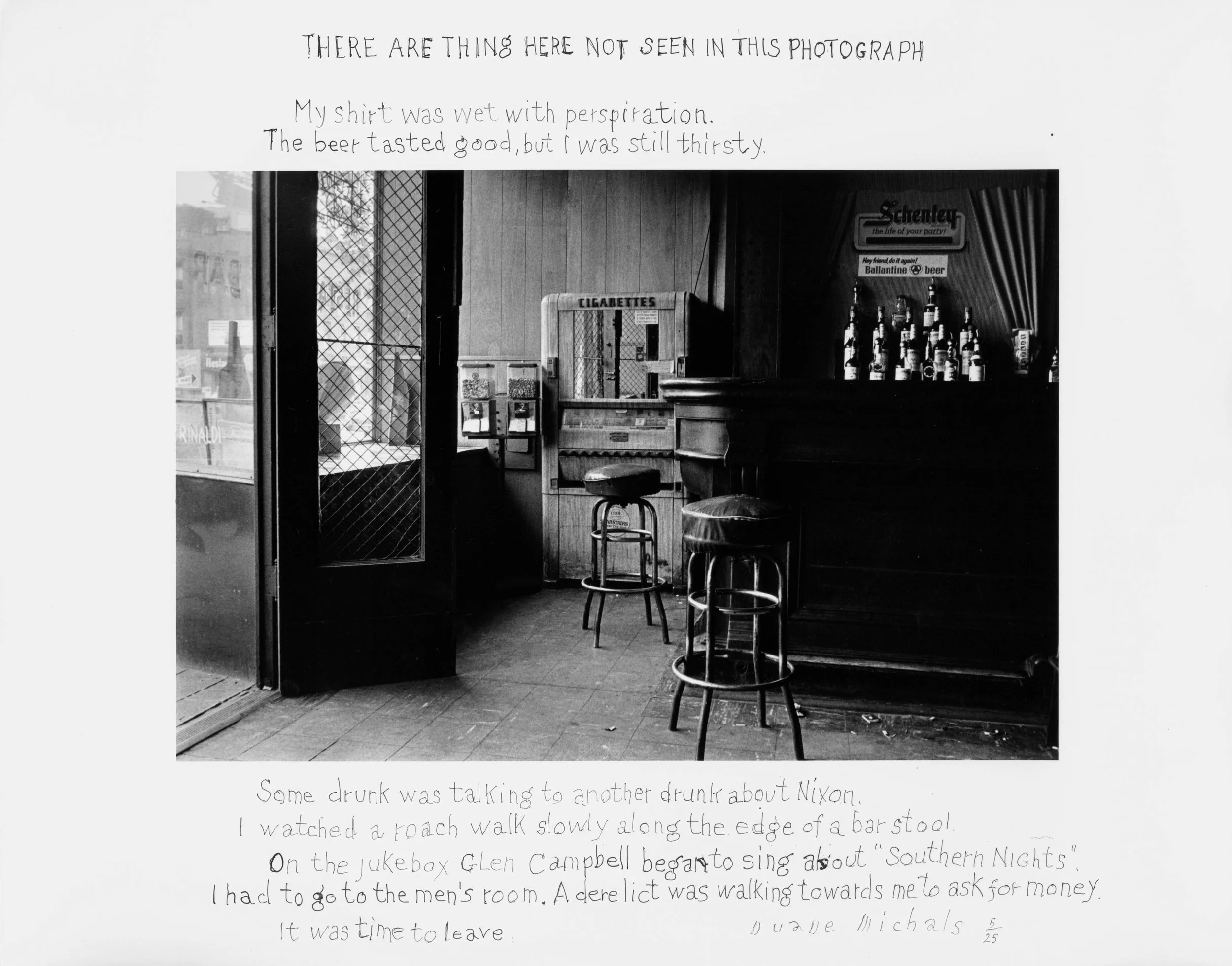
Duane Michals, who died in June 2026 at the age of ninety-four, spent his career asking a question most photographers preferred to avoid: can a photograph ever tell the truth?
His answer, characteristically, was written by hand directly onto his prints.
"To photograph reality is to photograph nothing." are words he wrote that were not a provocation but his own radical position and one that placed him outside the mainstream of twentieth-century photography. In this essay I’m arguing, that he was ahead of the curve when it came to representations of truth.
My essay explores what Michals understood about the gap between an image and the reality (truth) it claims to record: why he wrote on his photographs, why he made sequences rather than single images, and why one unremarkable picture of an empty bar became, with the addition of a few handwritten lines, something closer to a poem than a document.
I wrote this because it touches on what his thinking means to me as both a photographer and a writer, and why it sits at the heart of my novel The Many Truths of Josef Batten.
Learning to Show, Not Tell
The Many Truths of Josef Batten was first published in August 2025.
I never intended to become a novelist, I'm more a visual artist, but getting this story out has mattered to me.
This was my first novel. I don't yet know if I will write another. Understandably, most first novels don't succeed, and I'm fine with that. But somehow, I think this story deserves a second chance.
Many early readers have generously let me know that in the first edition I was telling rather than showing, and they were right. As a war photographer, Josef's emotional landscape was something they, the reader, should have been given the chance to surface for themselves, rather than be told about.
Reimagining Fitzroy House
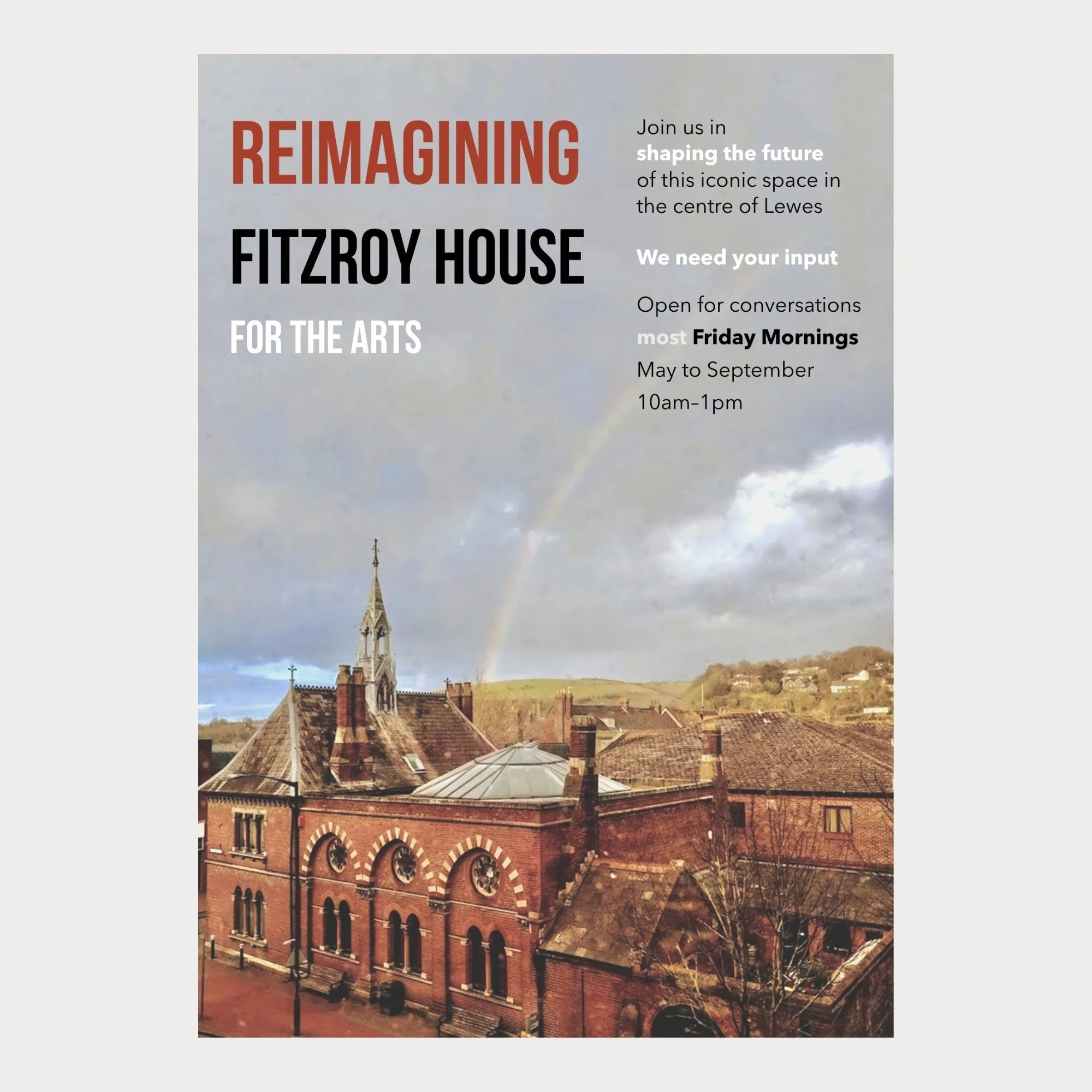
Fitzroy House is an important building in Lewes, but it’s easy to miss. You walk past it, or you know it’s there, but you don’t always go in. Over the past five years I’ve held exhibitions of my work here most years, so I’ve spent a lot of time in the building. Gradually, I’ve come to understand just how special it is.
It was once a library, and it’s said that Virginia Woolf spent time here. She even mentions it in her diaries. You feel some of that when you’re inside, but not in any grand way.
Painting is feeling
My practice explores musicality as a way of seeing: it is about rhythm, repetition and traces.
Through photography and painting, I attend to marks in landscape and still objects. I like to explore fragments, palimpsests, and the beauty to be discovered in chaos and decline.
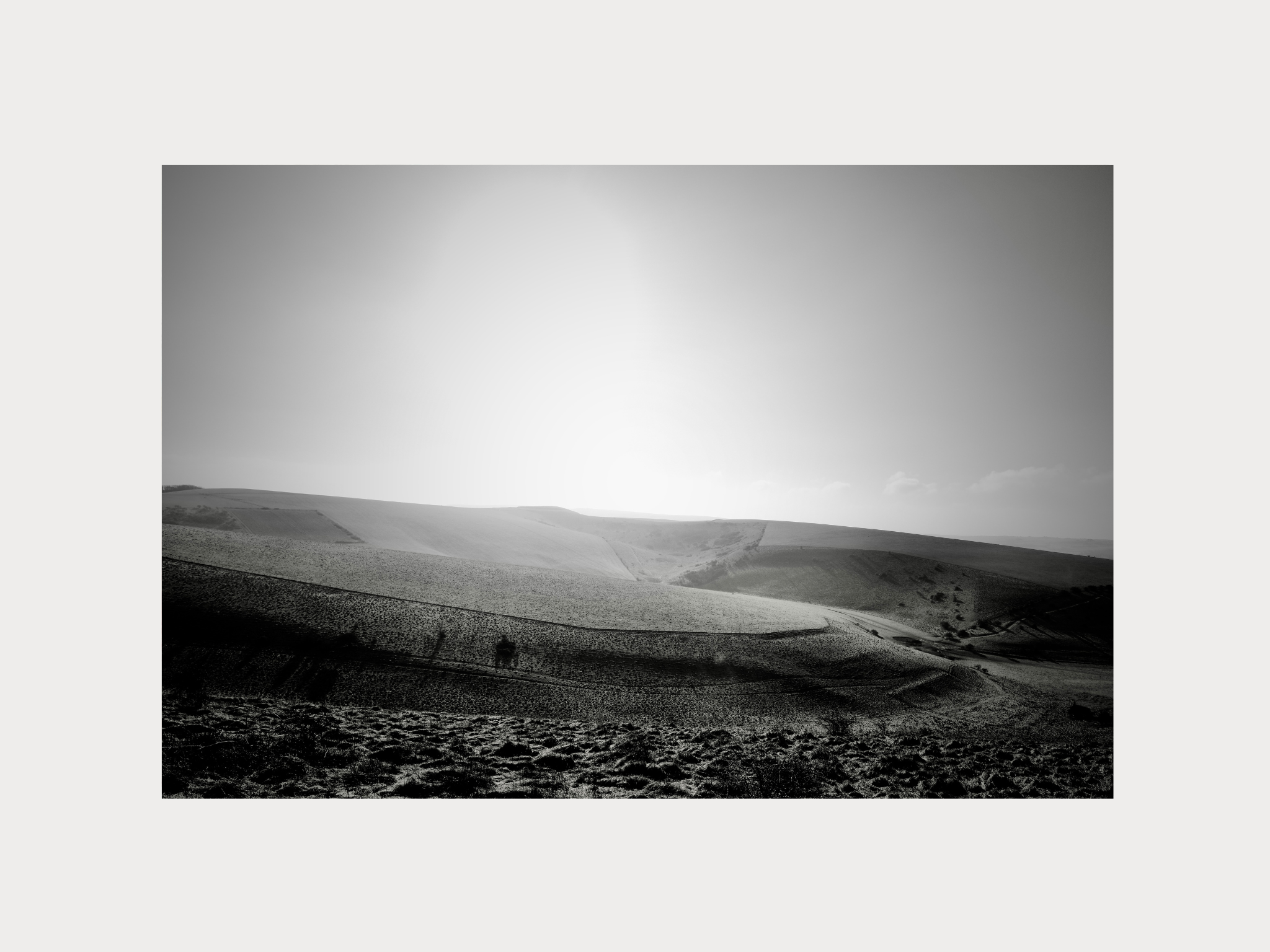
Walking the Downs: Rhythm, Mark, Memory
When I’m walking and photographing in the landscape - I mean really feeling it and truly looking, rather than perhaps simply documenting it - I begin to see it as a surface to be felt and remembered.
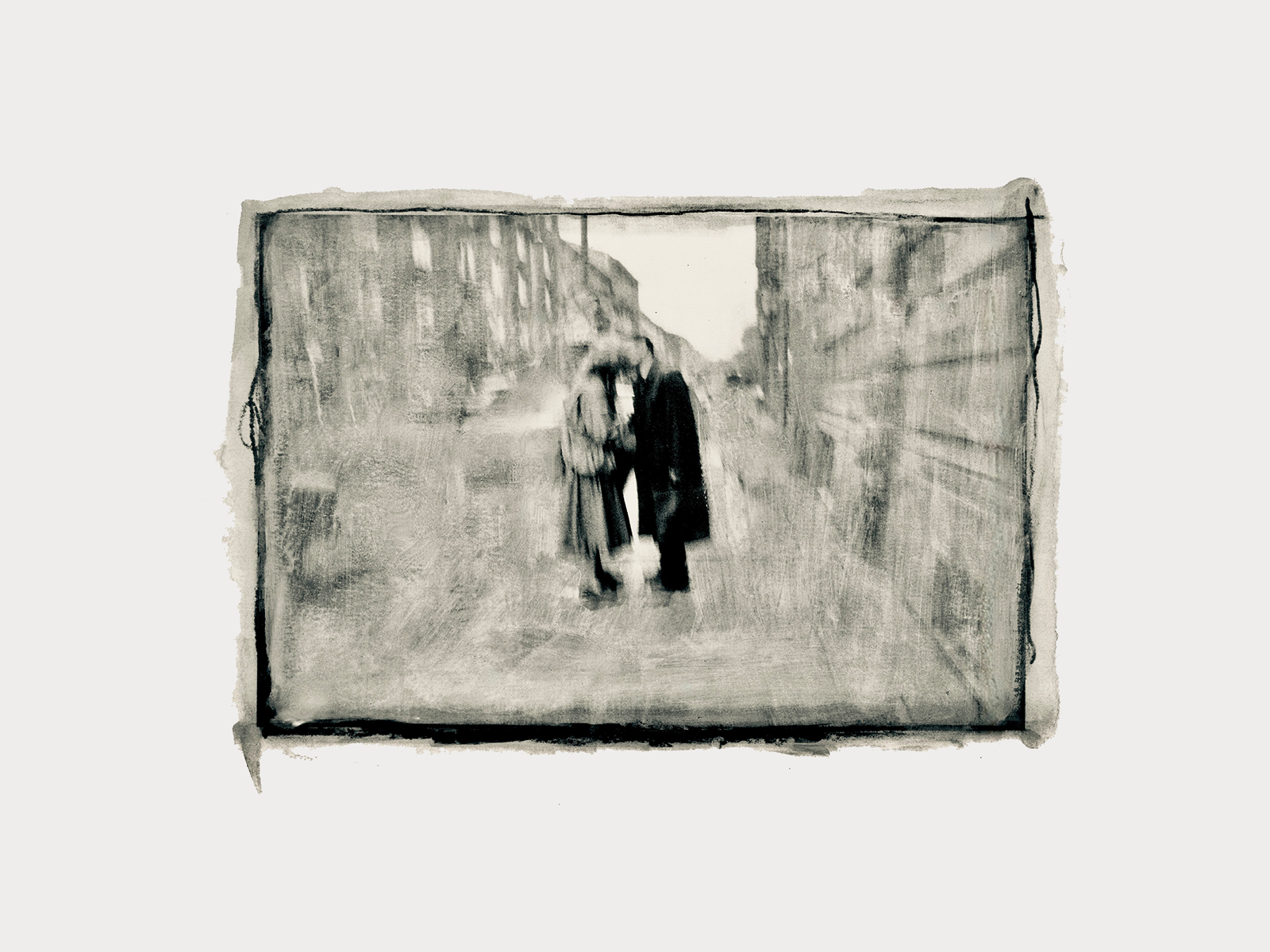
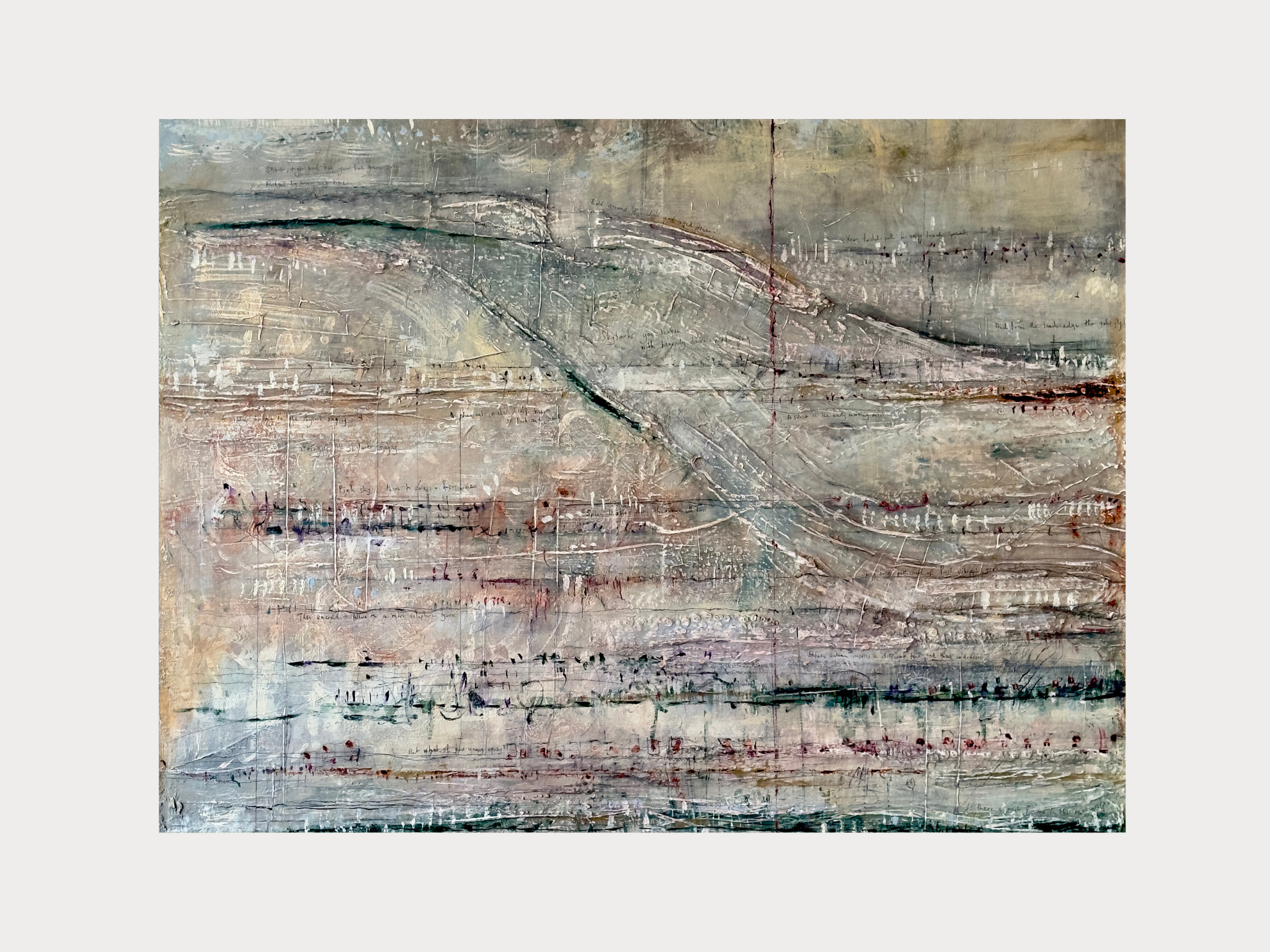
Tactile Paintings
I make paintings, drawings, photographs and books from a simple daily practice, most often a walk in the South Downs near my home in Lewes.
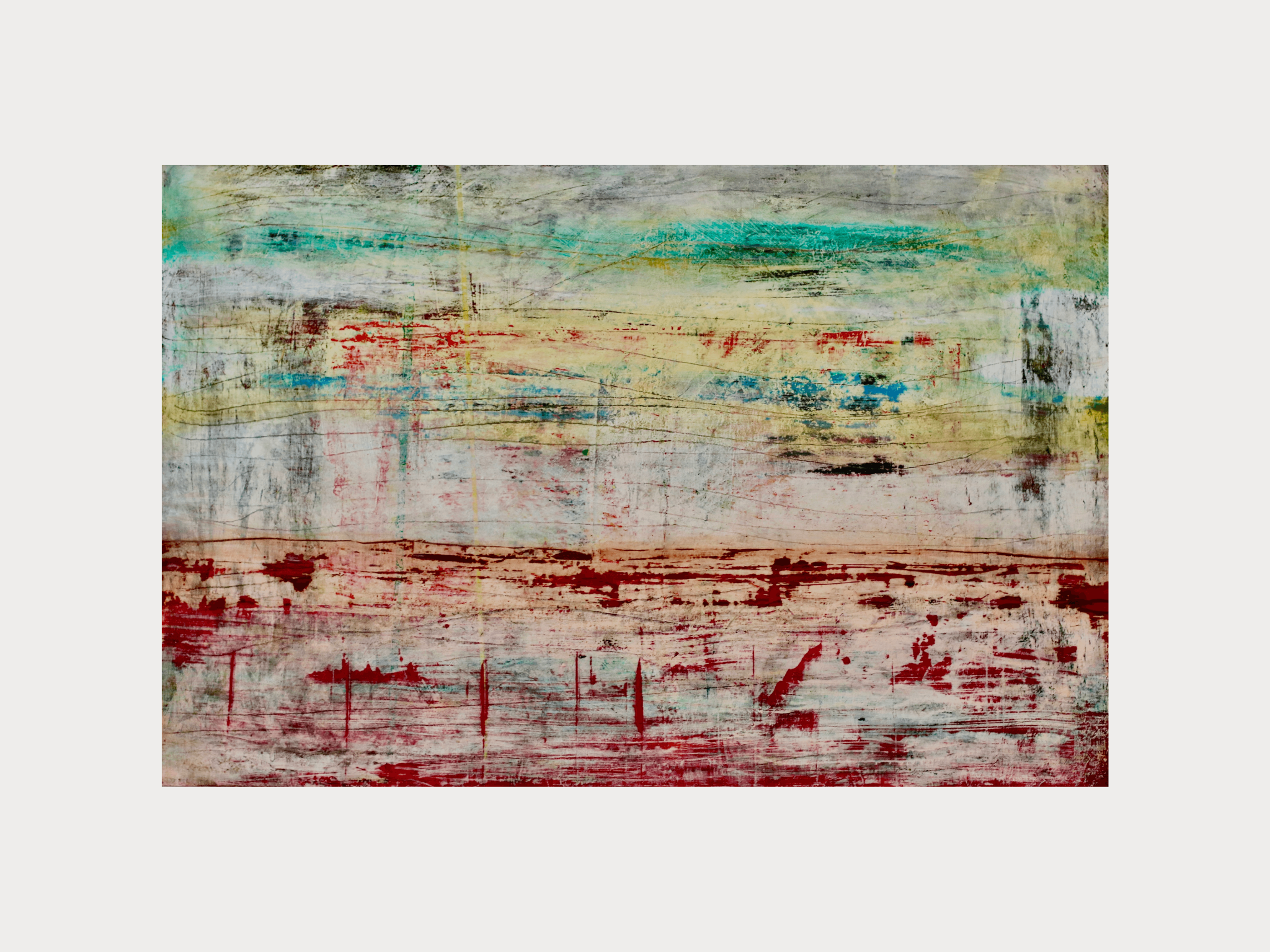
Creativity, Community & Me
This essay began as a talk I gave recently in my home town of Lewes titled Creativity, Community & Me. It was the first time I’d spoken publicly about my own creative journey - one that has taken me from self-doubt and detours to the relief of finally accepting something I wish I’d known, or had the wisdom to believe, at the age of seven:
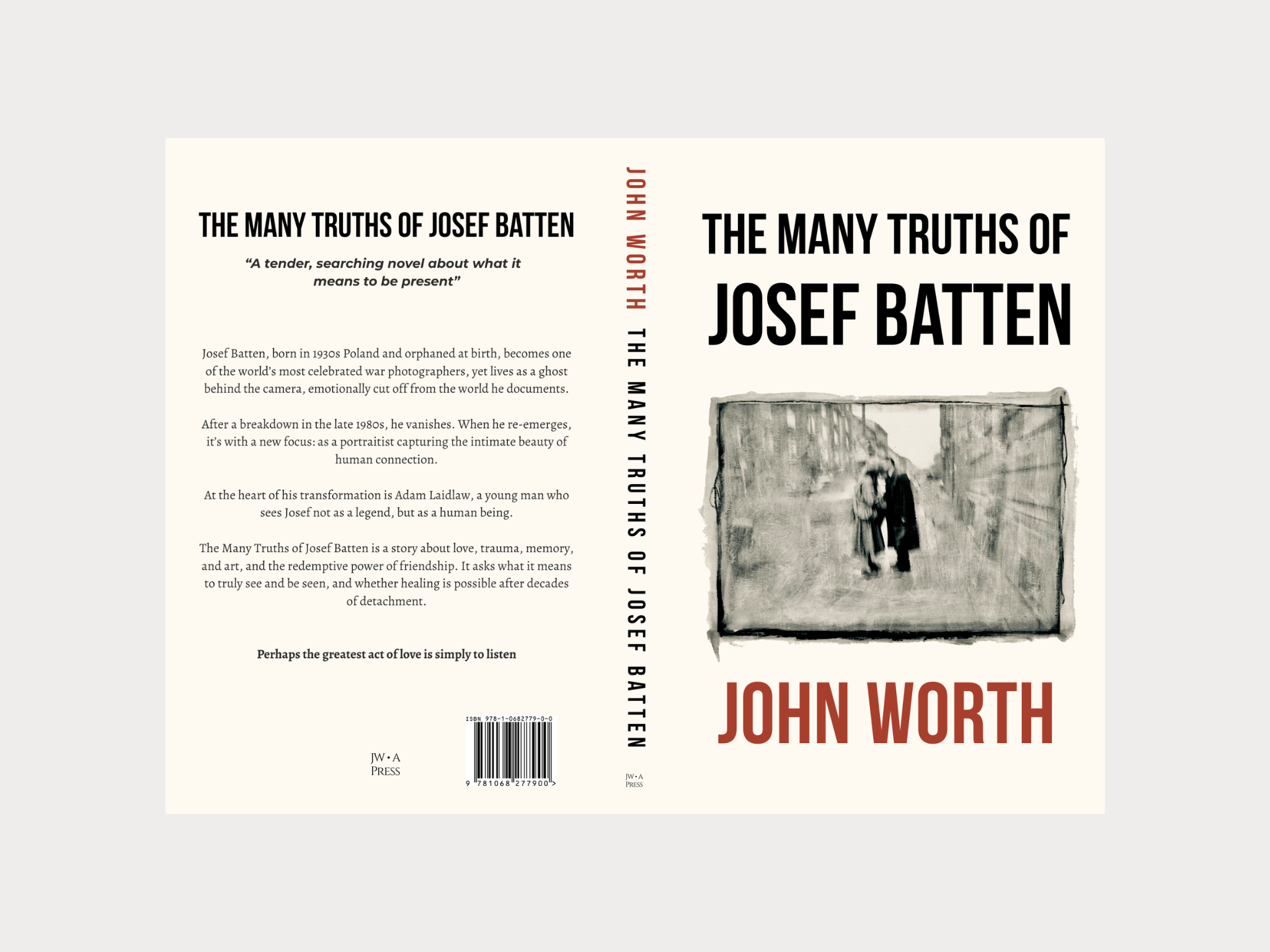
The many truths of josef batten
After 21 years of trying, I completed my novel, The Many Truths of Josef Batten.