 Image 1 of 2
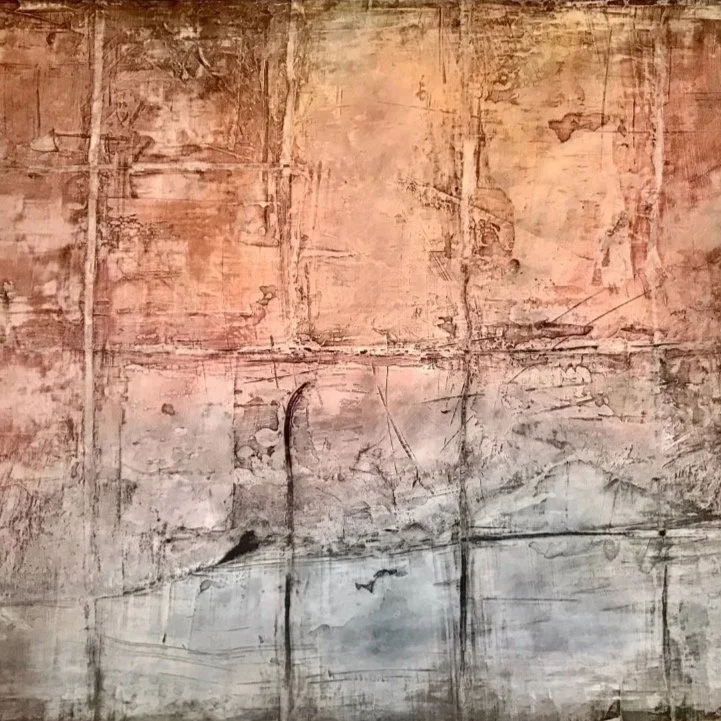 Image 2 of 2
Mixed media and oil on board
85 × 61 cm
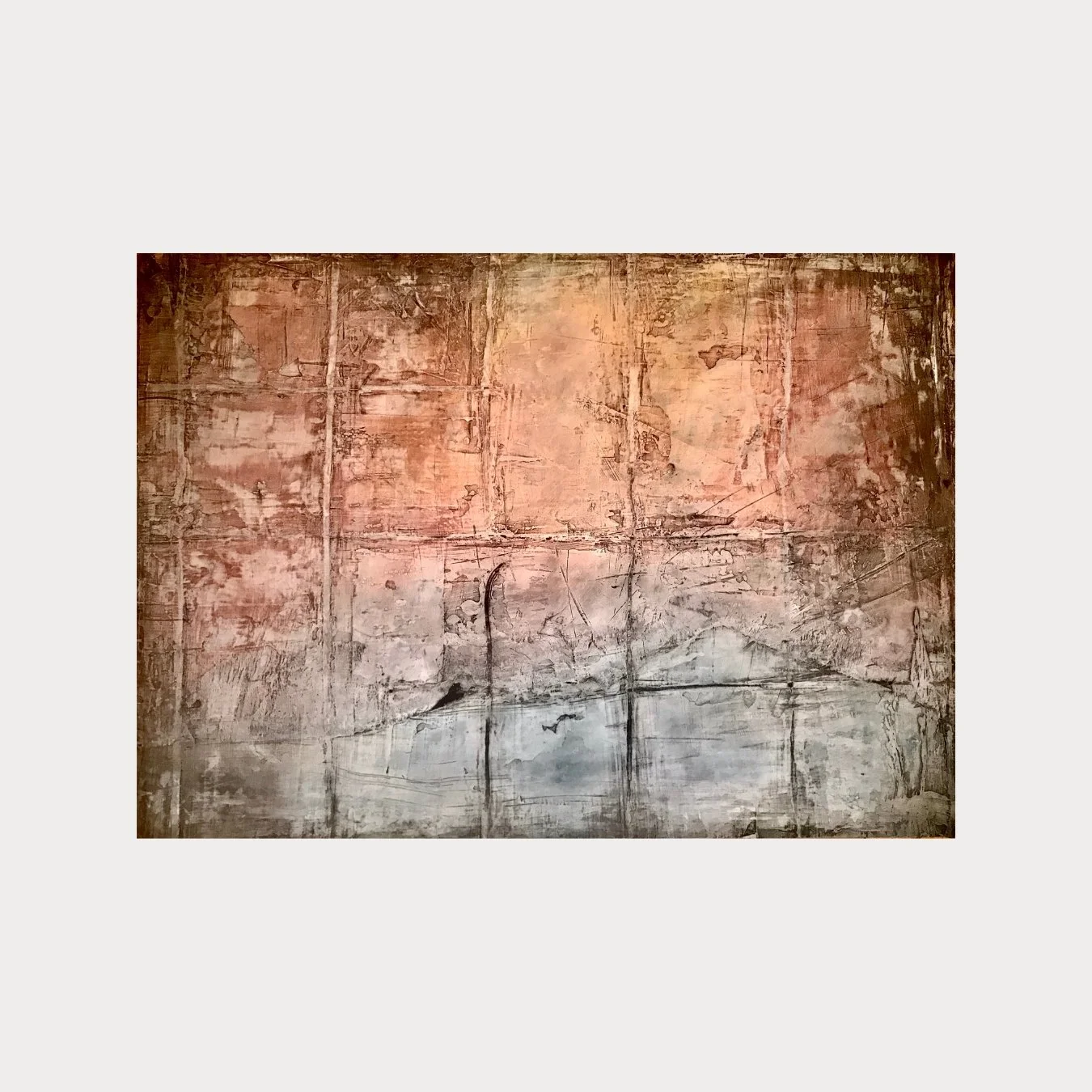
Map of Bight is a mixed media and oil painting on board, influenced by an aged 1960s Reader’s Digest map of Australia. The work draws from both personal history and fiction, sitting at the intersection of cartography, memory, and emotional terrain.
The painting was made while I was writing The Many Truths of Josef Batten, during a period when language failed me. Rather than forcing the narrative, I turned to paint as a way of thinking — allowing marks, abrasion, and layered surfaces to carry what could not yet be written.
The Great Australian Bight and the Nullarbor Plain become symbolic landscapes. In the novel, Josef Batten is driving across this vast region after his dog was shot dead. Initially numb, he begins to unravel during the long, isolated journey. After decades spent photographing war and human suffering, this 1200 km crossing marks the moment where accumulated grief finally surfaces.
At the Bunda Cliffs, where the land ends abruptly and the Southern Ocean begins, Josef buries his dog. This meeting point — cliff, sea, emptiness — is embedded within the structure of the painting. The surface holds traces of erosion, rupture, and repair, echoing both geological time and emotional exhaustion.
The map reference remains visible but unstable. Like memory itself, it is partial, worn, and reworked. The painting exists as both an autonomous visual object and a companion piece to the novel.
Mixed media and oil on board
85 × 61 cm
Map of Bight is a mixed media and oil painting on board, influenced by an aged 1960s Reader’s Digest map of Australia. The work draws from both personal history and fiction, sitting at the intersection of cartography, memory, and emotional terrain.
The painting was made while I was writing The Many Truths of Josef Batten, during a period when language failed me. Rather than forcing the narrative, I turned to paint as a way of thinking — allowing marks, abrasion, and layered surfaces to carry what could not yet be written.
The Great Australian Bight and the Nullarbor Plain become symbolic landscapes. In the novel, Josef Batten is driving across this vast region after his dog was shot dead. Initially numb, he begins to unravel during the long, isolated journey. After decades spent photographing war and human suffering, this 1200 km crossing marks the moment where accumulated grief finally surfaces.
At the Bunda Cliffs, where the land ends abruptly and the Southern Ocean begins, Josef buries his dog. This meeting point — cliff, sea, emptiness — is embedded within the structure of the painting. The surface holds traces of erosion, rupture, and repair, echoing both geological time and emotional exhaustion.
The map reference remains visible but unstable. Like memory itself, it is partial, worn, and reworked. The painting exists as both an autonomous visual object and a companion piece to the novel.